The Breaking Point
It was early November 2025 when I closed the app. Not deactivated my account, not taken a break — actually deleted the thing off my phone and logged out everywhere. I remember the moment clearly because I was doom-scrolling through some recruiter’s inspirational post about “resilience in uncertain times” while feeling anything but resilient, and something just snapped. The irony wasn’t lost on me. I was supposed to be out there networking, staying visible, building my personal brand. Instead, I was having panic attacks at 2 AM about the state of the job market.

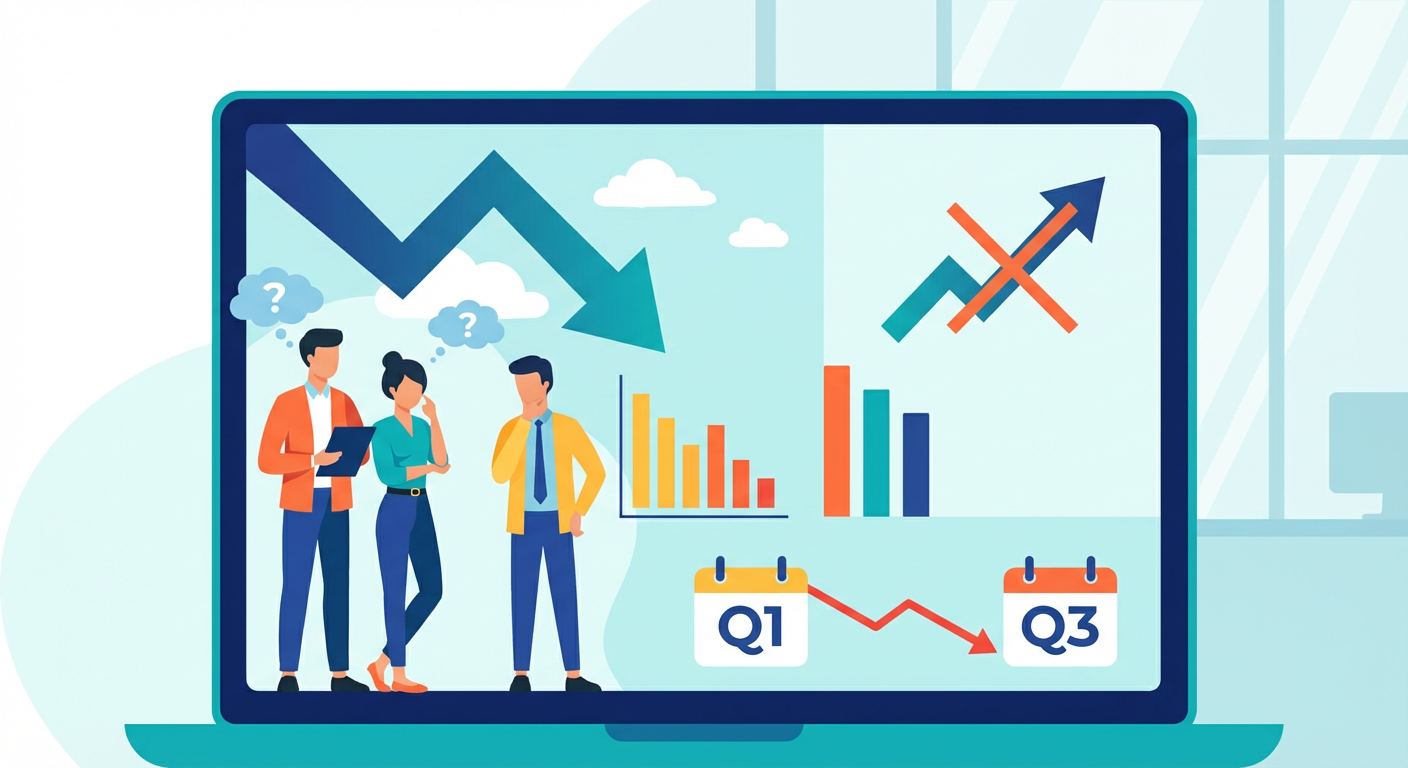
Looking back now, it was the right call, even though I didn’t know it yet. The white-collar job market in late 2025 was genuinely chaotic. According to the US Bureau of Labor Statistics job openings data, professional and business services had lost about 18 percent of available positions compared to the same period two years earlier — the kind of decline you don’t see outside of actual recessions. And everyone could feel it. LinkedIn wasn’t just a platform anymore; it was a mirror reflecting collective anxiety back at us constantly.
What Happens When You Stop Watching
The first week was genuinely difficult. Not for the reasons I expected. I didn’t miss the job postings or the recruiters sliding into my DMs. What got to me was the FOMO, which I know sounds ridiculous because FOMO is supposed to be the whole problem with social media. But there’s something specific about professional FOMO. Everyone else was still there, still posting about their wins, still being “visible.” The anxiety wasn’t about missing opportunities so much as about being forgotten. Like if I wasn’t feeding the algorithm, did I even exist professionally anymore?
Then something strange happened around week three. I stopped thinking about it. The mental static just quieted. I noticed it first in small ways — I wasn’t doing stress calculations in my head anymore. You know what I mean. That thing where you see someone got promoted and your brain immediately starts running numbers on your own worth relative to theirs. I didn’t have that feedback loop anymore.
What’s interesting is that research actually backs this up. A study from the University of Michigan came out in November 2025 showing that passive LinkedIn use — just scrolling around without posting anything yourself — was linked to a 28 percent bump in job-related anxiety among people looking for work. The study authors called it a “social comparison doom spiral.” I was living in that spiral before I quit. I just didn’t have a name for it.
The Hidden Realities Nobody Talks About
Around week six of my hiatus, I started doing something I hadn’t done in years: actually calling people. Real phone calls. Not video, not message chains, not LinkedIn voice notes. Just calling and saying “Hey, I’m looking for something new. Do you know anyone who’s hiring?” It felt almost violently simple.
And it worked. Not immediately, but it worked. The first two leads came back within a week. One turned into a real conversation with a hiring manager who told me something I hadn’t really internalized before. She said the whole ATS situation — those automated resume screening systems — had gotten so ridiculous that they’re now filtering out around 75 percent of applications before any human ever sees them. This isn’t an exaggeration. The Harvard Business School Hidden Workers Report laid all this out clearly in 2025. Most people applying online were just disappearing into a void. But when she got a referral, she actually looked at it. Imagine that.
Career coaches were saying the same thing around this time. Jenny Foss, who has nearly 300,000 people subscribed to her newsletter, published something in January that really crystallized it: for any decent job paying over $80,000, referral hiring had become the actual path. Everything else was theater. LinkedIn’s own data from their 2025 Workforce Confidence Index showed that job seeker optimism had dropped 22 points among younger professionals between early and late 2025. That’s a real number reflecting real despair. And yet the platform kept operating like it was 2019.
What I Missed, and What I Didn’t
Did I miss out on anything by being offline for three months? Some opportunities, probably. A few recruiters reached out to my email asking if I was still actively looking. Those conversations were surprisingly honest, probably because I wasn’t performing a personal brand. There was less theater involved.
What I missed most wasn’t opportunities. It was the false sense of control. When you’re on LinkedIn every day, you feel like you’re doing something. You’re uploading your resume, applying to jobs, engaging with posts, maintaining your network. It’s a treadmill that feels purposeful. The actual job market doesn’t work that way anymore, but the platform doesn’t really tell you that. It just keeps suggesting that if you stay active enough, the algorithms will work in your favor.
The real work of finding a job in late 2025 turned out to be much smaller and much more human than I’d thought. It was drinks with someone I hadn’t talked to in years. It was asking my brother if he knew anyone at his company. It was having conversations where I actually admitted I was struggling instead of crafting a narrative about my career journey.
What Actually Happened
I got a new job about two weeks ago. It came through a referral from someone I’d known casually for years, not someone in my carefully curated LinkedIn network. The hiring process was fast and direct. No algorithmic gates. I was just a real person who’d been recommended to another real person, and we figured out if we could work together.
I’m back on LinkedIn now, mostly because it feels professionally necessary and I’m not a martyr about these things. But I use it differently. I check in maybe twice a week. I’m not scrolling through the feed. I’m not comparing. I post maybe once a month if something feels genuine enough to share. The anxiety is largely gone because I’ve stopped tying my sense of professional worth to engagement metrics.
The job market chaos of 2025 and early 2026 wasn’t solved by LinkedIn, and it wasn’t solved by getting off LinkedIn. It was solved by doing the actual work that nobody wants to do anymore: reaching out to real people and having real conversations. The platform couldn’t have helped with that. If anything, it would have gotten in the way.
I’m curious what you’ve noticed about the job market and how you’re navigating it. Have you found that LinkedIn actually helps, or does it feel like busywork to you too? Drop a line if you want to talk about it.
