The Thing About Wearing a Ring You Actually Forget About
When Samsung sent over the Galaxy Ring back in late summer, I had that familiar skeptic’s itch. Another wearable. Another morning readiness score. Another app notification telling me I’m tired when I’m already tired. But here’s what nobody really talks about with this particular device: it’s almost aggressively unobtrusive. At 2.3 grams, it weighs less than a greeting card. You put it on and your brain just sort of moves on to other things, which is exactly when these devices get interesting. It’s not demanding your attention like a smartwatch. It’s just there, quietly collecting data while you sleep.
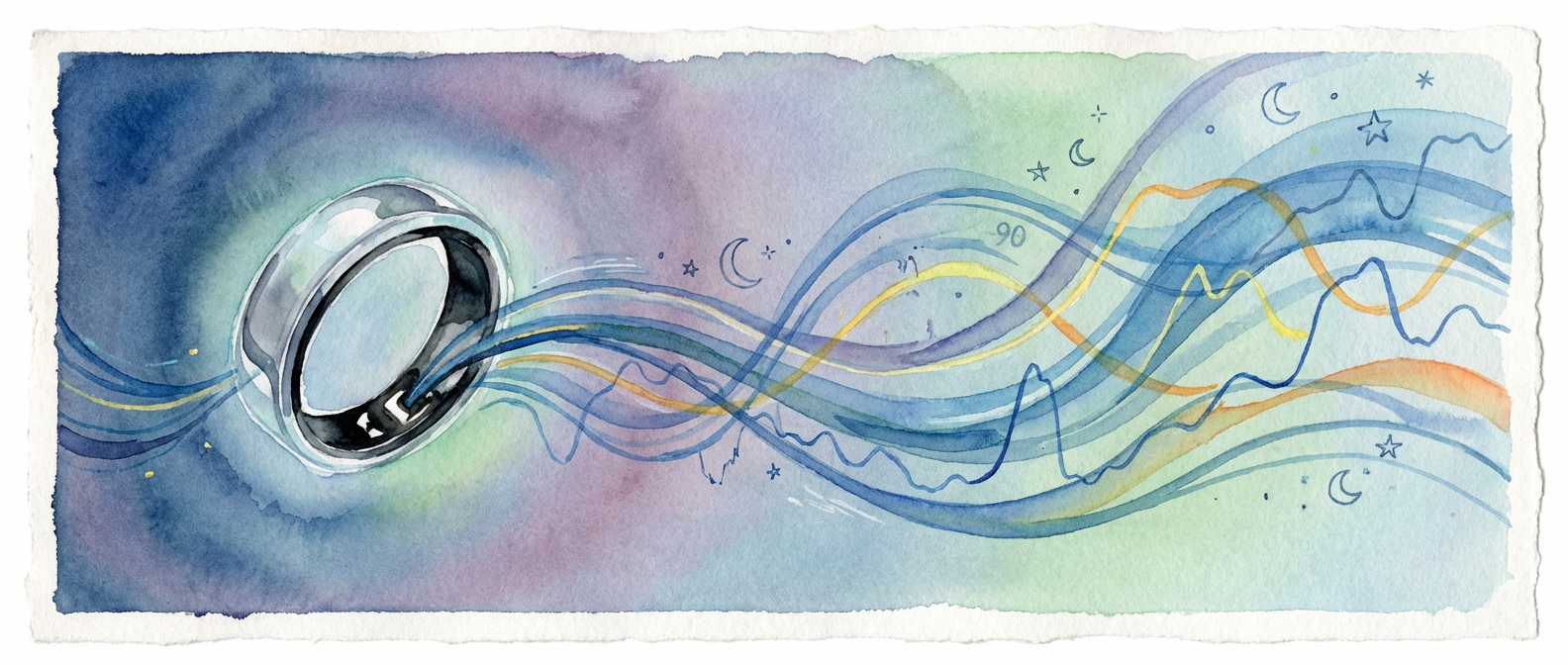
I went in skeptical but methodical. Three months. Same finger placement. No subscription fees tacked on monthly, which was refreshing compared to competitors that treat access like a gym membership. The ring retails somewhere between $299 and $449 depending on your finger size, and once you buy it, you’re done paying. That matters more than you’d think when you’re trying to figure out if this is actually useful or just another piece of tech clutter.
What 90 Nights of Sleep Data Looks Like When You Actually Pay Attention
By night fifteen or so, I stopped checking the energy score obsessively. The number that appears each morning on your phone is Samsung’s Energy Score, a synthesis of six different biometric inputs they’re measuring while you sleep: heart rate variability, movement patterns, and a few other markers I’m sure matter more to sleep scientists than to someone like me who just wants to know if they’ll be functional at 9 AM. The algorithm spits out a single number between one and 100, which sounds reductive until you realize that’s kind of the point. Your body is doing dozens of things at night. Reducing that to one legible metric turns out to be harder than it sounds.
What surprised me most wasn’t the accuracy, though there’s actually legit research here. A recent JMIR wearable sleep tracking accuracy study found that consumer sleep rings like this one detect REM sleep with about 78% accuracy compared to what happens in clinical labs. That’s solid. Not perfect, but solid. What surprised me was how boring my sleep patterns turned out to be. I sleep. I sleep pretty similarly most nights. Occasionally I sleep badly. The ring tells me exactly how badly with a sort of clinical detachment that’s almost funny. No drama. No plot twist. Just data confirming that I’m fundamentally consistent and occasionally exhausted.
The Small Stuff Actually Adds Up
Around day forty-five, I noticed something the app doesn’t highlight: I was starting to see patterns I didn’t expect. Not revelations, exactly, but observations. That my sleep was slightly worse after days when I’d skipped my evening walk. That I recovered faster from late nights when the morning after started with coffee and early sunlight rather than coffee and my phone. That on the nights when my energy score was genuinely low, it almost always tracked back to something specific, stress, disrupted schedule, one too many evening drinks. The ring wasn’t telling me anything revolutionary. It was just making the obvious unavoidable.
The titanium band tracks heart rate variability and movement patterns, which sounds boring in theory but feels different in practice. You get to actually see your own baseline. Most people don’t know what their sleep normally looks like. They just know whether they feel rested or they don’t. Having sixty, eighty, ninety data points means you can finally see what normal is for you specifically, which then makes the abnormal actually legible. My normal turned out to be around seventy-two to seventy-eight on the energy scale. Anything below seventy meant something was genuinely off. That’s useful information once you stop obsessing about the number itself.
Why It Matters That This Thing Doesn’t Cost Forever
I’ll be honest about the subscription model thing because it genuinely affects how I think about this device now. Samsung’s approach, one price, no ongoing fee, means the ring itself actually has to earn its keep in a different way. There’s no financial incentive to keep you hooked on premium features or locked into a paid ecosystem. You buy it once and it works or it doesn’t. That sounds like it shouldn’t matter, but it does shape the entire relationship. Samsung Galaxy Ring official specs show a straightforward device doing a specific thing well, not an entry point into a recurring payment structure.
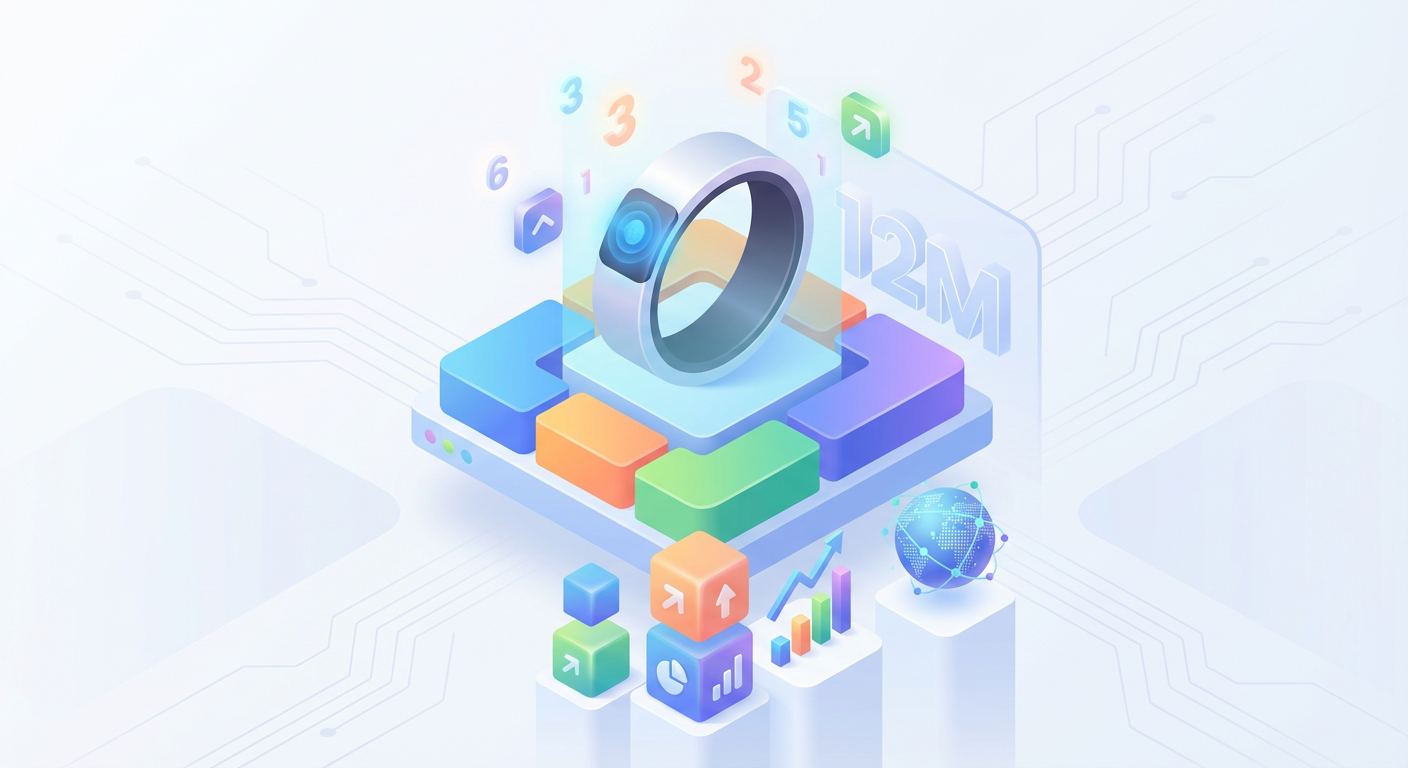
The market seems to have responded. Samsung shipped over twelve million units globally by the third quarter of 2025, which means this isn’t niche hobby territory anymore. People are actually buying these and using them and apparently not returning them. That says something about whether the experience delivers value, not just whether it’s novel.
Three Months Later, Here’s What Stuck
I’m still wearing the ring. Not because I’ve become a data evangelist or because I now make major life decisions based on my energy score. I wear it because it’s small enough that I genuinely forget it’s there, and because knowing what my sleep normally looks like has made me slightly more intentional about the things I can actually control. That’s a quieter benefit than “optimization” but more honest about how this actually works for me.
The real question isn’t whether the data is perfectly accurate or whether you need this device to live well. You don’t. Most people are fine without it. The actual question is whether paying attention to one more small signal about how your body functions changes anything, and whether that change is worth $300 to you. For me, it was. Not revolutionary. Just incrementally useful. Like most things that actually stick around, it didn’t promise transformation. It just kept showing up with the same quiet information until the information stopped being optional to ignore.
What’s your experience been with sleep tracking? Whether you’ve tried this ring or something else or nothing at all, I’m genuinely curious what made you decide. Drop a line in the comments if you want to talk about it.
